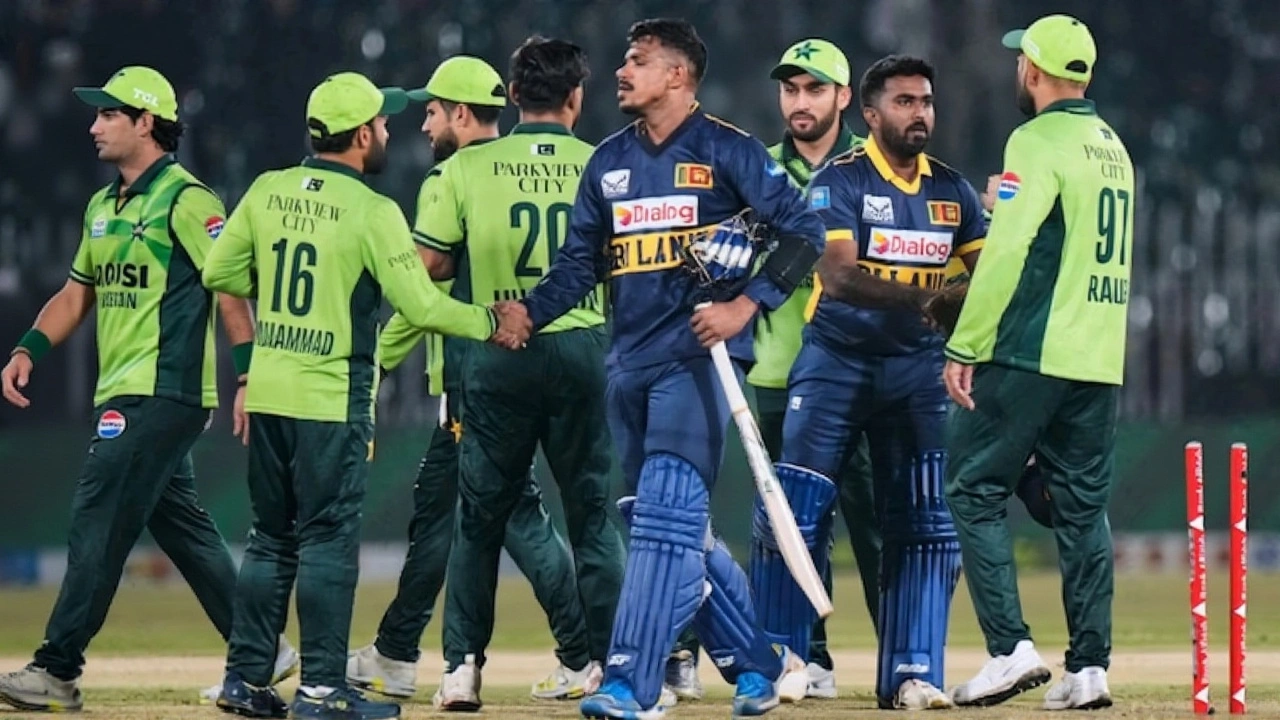
On a crisp Thursday night at the Rawalpindi Cricket Stadium, Sri Lanka pulled off a heart-stopping six-run victory over Pakistan in Match 6 of the Pakistan T20I Tri-Series 2025, leaving the home crowd stunned and the visitors celebrating like they’d already won the trophy. Sri Lanka posted 184/4 in their 20 overs, thanks to a blistering 76 off 48 balls from Kamil Mishara, before Pakistan — chasing 185 — collapsed under pressure in the final overs, finishing at 178/7. The win wasn’t just a turnaround for Sri Lanka; it was a lifeline. They’d won just one of their first three matches in the tri-series, and with Zimbabwe lurking, this was their last shot at staying alive.
The Turning Point: Chameera’s Magic
The match turned on the final over. With Pakistan needing 10 runs and captain Salman Ali Agha on fire — 63 not out off just 44 balls — it looked like the home side might sneak through. But then came Dushmantha Chameera. The Sri Lankan seamer, who’d already taken 3 wickets by the 18th over, returned for the final over. He’d bowled just 4 overs all night — 4 overs that cost only 20 runs and yielded 4 wickets. The crowd roared as Agha launched Eshan Malinga for a six in the penultimate ball. But on the final delivery, with Pakistan needing 7 runs, Faheem Ashraf swung hard — and top-edged it straight to deep square leg. Out. Game over.
How Pakistan Lost Their Way
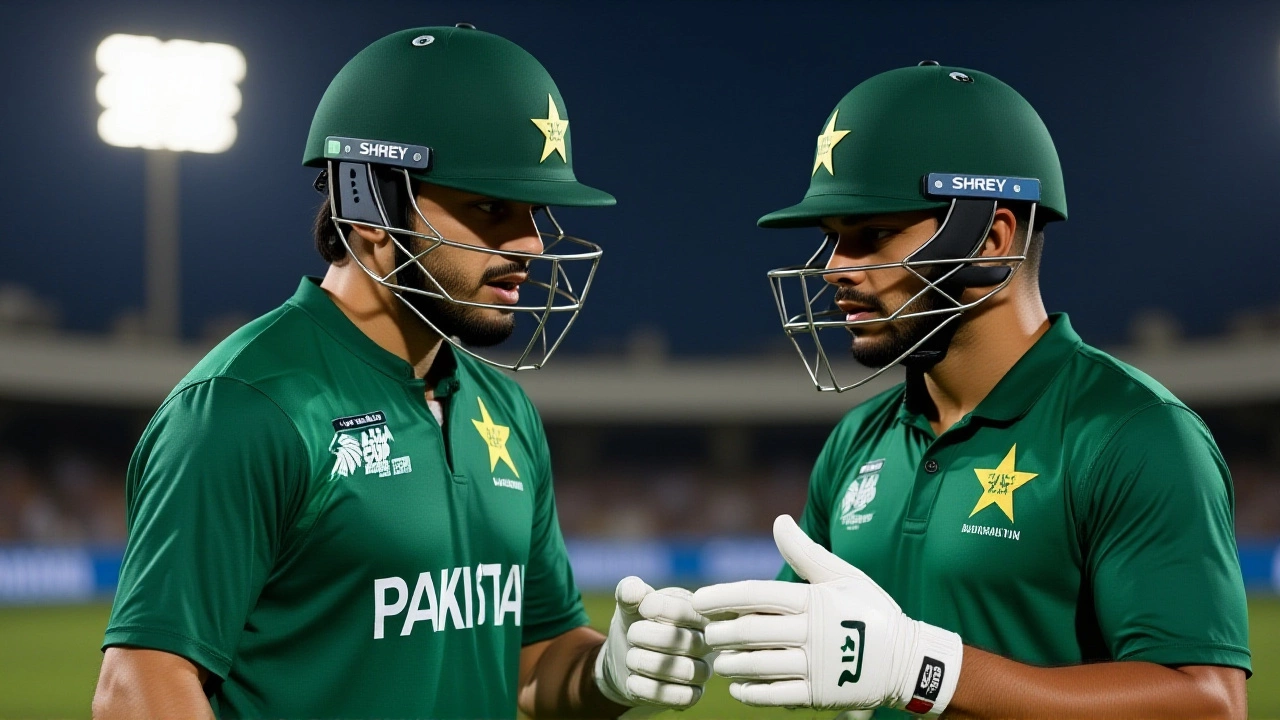
Pakistan’s innings looked promising early. Sahibzada Farhan smashed 9 off 7 balls, and Saim Ayub added 27 off 18 with a strike rate of 150. But then came the collapse. Babar Azam, Pakistan’s talisman, was dismissed for a duck off just two balls — lbw to an unnamed bowler — and the middle order never recovered. Mohammad Nawaz was caught by Wanindu Hasaranga off Malinga in the 19th over, and with two wickets down in the last two overs, the pressure became unbearable. The bowling attack, which had looked solid earlier, cracked under the weight of expectation. Shaheen Shah Afridi, Pakistan’s pace spearhead, was held back for the death overs — a decision that backfired when the likes of Abrar Ahmed and Salman Mirza were forced into high-pressure roles.
Sri Lanka’s Quiet Architects
While Mishara stole the headlines, Sri Lanka’s win was built on quiet excellence. Pathum Nissanka, the consistent opener, didn’t score big in this match — his exact figures weren’t recorded — but his presence stabilized the top order. Kusal Perera and Kusal Mendis played crucial anchor roles, ensuring Sri Lanka didn’t lose momentum after early wickets. And then there was Pavan Rathnayake, making his T20I debut. Added to the squad on November 17 after Charith Asalanka and Asitha Fernando were sidelined by illness, Rathnayake didn’t bat or bowl — but his inclusion signaled Sri Lanka’s shift toward youth. The team’s bench depth was tested, and it held.
The Bigger Picture: A Tri-Series on the Edge
The Pakistan T20I Tri-Series 2025 — organized by the Pakistan Cricket Board — features Sri Lanka, Pakistan, and Zimbabwe, captained by Sikandar Raza. The round-robin format means every match matters. Pakistan, once favorites, now sit at risk of elimination. They’ve lost two of their last three games, and their batting fragility in crunch moments is becoming a pattern. Sri Lanka, meanwhile, have clawed back into contention. Their next match is against Zimbabwe — a win there, combined with a Pakistan loss, could send them to the final. This wasn’t just a win. It was a statement.
Behind the Scenes: Squad Changes and Strategy Shifts
The series has seen more roster shuffles than most. Pakistan dropped Hassan Nawaz on November 9 and brought in Fakhar Zaman — a move that looked smart until he was left out of the playing XI for this match. Meanwhile, Sri Lanka added Vijayakanth Viyaskanth on November 18, signaling a long-term rebuild. For Sri Lanka, this match was a test of adaptability. They lost two key players to illness, yet still fielded a competitive side. The debut of Rathnayake, the return of Hasaranga to his spin-dominant role, and Chameera’s surgical death bowling all point to a team finding its rhythm just when it matters most.
What’s Next? The Final Push
With the round-robin stage ending in late November, the stakes couldn’t be higher. Pakistan must beat Zimbabwe and hope Sri Lanka loses to Zimbabwe to have any chance of qualifying. Sri Lanka, meanwhile, needs only to beat Zimbabwe — and they’ve shown they can win under pressure. The final, if they make it, will be held at the Rawalpindi Cricket Stadium, where the roar of the crowd could be deafening. For now, Sri Lanka’s players are celebrating. Pakistan’s are reeling. And the tournament? It’s wide open.
Frequently Asked Questions
How did Kamil Mishara’s innings impact Sri Lanka’s chances?
Kamil Mishara’s 76 off 48 balls was the backbone of Sri Lanka’s 184/4. At a time when the top order had lost early wickets, his aggressive strike rate of 158.33 gave Sri Lanka momentum. He hit 10 fours and 3 sixes, ensuring the total was competitive even on a pitch that favored spin. Without his innings, Sri Lanka would have struggled to post more than 160 — and Pakistan’s chase would have been far easier.
Why was Dushmantha Chameera so effective in the death overs?
Chameera’s accuracy, combined with his ability to vary pace and seam movement, made him lethal in the final overs. He bowled only four overs but conceded just 20 runs and took four wickets — including the crucial final dismissal. His yorkers and slower bouncers disrupted Pakistan’s timing, and his calm demeanor under pressure contrasted sharply with the anxiety of the batsmen. He’s now Sri Lanka’s most reliable death bowler in this series.
What does this result mean for Pakistan’s chances in the 2026 T20 World Cup?
This loss exposes Pakistan’s middle-order fragility and over-reliance on Babar Azam and Salman Agha. If their top order fails, the middle collapses — as it did here. With the 2026 T20 World Cup looming, their inability to chase under pressure is a red flag. They’ll need to fix their death bowling and stabilize their middle order quickly, or risk early exits in the global tournament.
How did Sri Lanka’s squad changes affect their performance?
Replacing Asalanka and Fernando with Rathnayake and Viyaskanth was a gamble — but it paid off. The team’s depth was tested, and they adapted. Rathnayake’s inclusion added balance, while Viyaskanth’s presence on the bench gave the captain more flexibility. Sri Lanka’s coaching staff showed they’re building for the future, not just this series. Their ability to rotate players without dropping performance is a sign of strong planning.
What role did the Rawalpindi Cricket Stadium play in the match outcome?
The 25,000-capacity stadium in Rawalpindi, Punjab, had a dry, slow pitch that favored spinners early and allowed pacers to exploit wear later. Pakistan’s spinners — Abrar Ahmed and Mohammad Nawaz — were effective, but Sri Lanka’s pace attack, led by Chameera, adapted better to the conditions in the final overs. The crowd’s noise, while intimidating, didn’t sway the result — Sri Lanka stayed composed under pressure, something Pakistan couldn’t match.
Who are the likely finalists if the series continues as is?
If Sri Lanka beats Zimbabwe and Pakistan loses to Zimbabwe, Sri Lanka will face Zimbabwe in the final. If Pakistan beats Zimbabwe and Sri Lanka loses, then Pakistan and Zimbabwe will contest the final. Zimbabwe, with Sikandar Raza leading, are the dark horses — they’ve shown resilience, and a win here could send them to their first T20I final in years.